
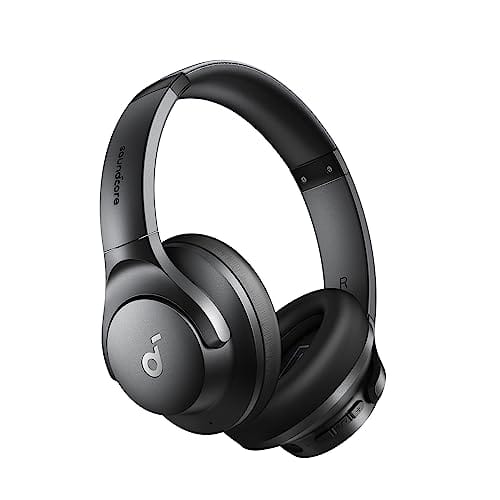
Why Choosing the Right Quiet Matters
Many people use “noise-cancelling” and “noise-isolating” as if they mean the same thing. That confusion leads to wrong purchases and frustrated listeners. Choosing the right quiet matters for commuting, focus, sleep, and professional work.
This guide explains the real difference in plain terms. You’ll learn how each technology behaves, where each shines, and practical trade-offs like battery life, comfort, and safety. I write as a friendly expert, aiming to help you decide quickly.
By the end you’ll know which quiet to pick for travel, office, or home. Expect clear comparisons and an actionable buying checklist. I’ll focus on practical recommendations so you get the best quiet for your life and budget. Quick and simple.


Noise-Cancelling vs Noise-Isolating: The Core Difference
Two different ways to quiet the world
Think of noise-isolating gear as physical armor and active noise cancellation (ANC) as a smart counterattack. Passive noise isolation blocks sound by creating a barrier—tight-fitting ear tips, thick foam cups, or padded over-ear cushions that keep noise from getting in. ANC uses tiny microphones and electronics to listen to incoming sounds and generate opposing sound waves that cancel steady, low-frequency noise like airplane engines or bus rumbles.
Passive isolation: simple, reliable, physical
Passive isolation works without power. Good examples are foam earplugs, in-ear monitors with deep silicone tips, or over-ear cans with dense seals (e.g., Beyerdynamic DT-series or closed-back Sennheiser models). Strengths:
- Blocks a broad range of higher-frequency sounds (voices, clinks) when fit is excellent.
- No batteries, no hiss, predictable performance.Limits:
- Less effective at constant low frequencies (the deep drone of a plane).
- Fit matters — a loose seal ruins it.
Active cancellation: smart but targeted
ANC targets predictable, steady noises. It’s great for the low-end hums where passive methods struggle. Strengths:
- Reduces engine and HVAC rumble without massive physical padding.
- Pleasant for long flights or commutes when paired with comfy earcups.Limits:
- Requires power/battery and can introduce a slight “waterfall” or hiss in some models.
- Less effective on sudden, sharp sounds like chatter or slamming doors.
This is a paragraph that segues into a practical example showing how both approaches can be combined for best results.
Quick rules of thumb and immediate tips
- Commuting or flying? Prioritize ANC, but look for good ear seals too.
- Working in open offices? Passive isolation (tight-fitting in-ears) can block voices better for concentration.
- Want sleep or steady-state quiet? Combine both: ANC for rumble + snug earplugs or memory-foam cushions.How to test in store: bring a friend to mimic conversation, play a steady engine hum, and check if voices still cut through—try different tips and clamping forces.
Next up: we’ll open the headphones and earbuds to see how these approaches are built into the hardware.
How They Work: Inside the Technology
Passive (Noise-Isolating): the physical barrier
Noise isolation is mostly mechanical: materials and fit determine how much external sound is kept out. Key elements are:
- Earcup or ear-tip material: dense foam, silicone, or leatherette create a tight barrier that absorbs and blocks sound waves.
- Seal and clamping force: over-ear cups need good cushion contact; in-ears rely on deep insertion or memory-foam tips to form a closed seal.
- Design choices: closed-back headphones (e.g., Beyerdynamic DT 770) and high-isolation IEMs (Etymotic ER series) prioritize blocking over acoustics.
Physical protection is also where high-rated ear muffs shine for extreme noise. For example, heavy-duty hearing protection like the ProCase NRR 28dB Noise Reduction Ear Muffs is what tradespeople use when isolation must meet regulatory levels on a job site.
Active Noise Cancellation (ANC): electronics doing the math
ANC uses microphones, digital signal processing (DSP), and tiny speakers to create “anti-noise” — a waveform that’s the inverse of the incoming sound to cancel it before it reaches your ear.
Core components:
- Microphones: placed outside (feedforward), inside the earcup (feedback), or both (hybrid) to sample ambient and residual noise.
- DSP: analyzes the incoming signal and generates an inverse waveform in real time.
- Amplifier/speaker: plays that inverse sound alongside your audio.
Feedforward ANC captures outside noise early (good for higher-frequency transient sounds), feedback ANC monitors what actually gets into the ear (better for tuning low-frequency errors), and hybrid combines both for broad coverage. Adaptive ANC tweaks parameters continuously to match changing environments — think a smart system that learns the hum of a particular plane cabin.
Frequency strengths, limits, and trade-offs
- Effective range: ANC excels at low-frequency, steady-state sounds (20–1000 Hz) — airplane engines, bus rumbles. Passive isolation is better for higher frequencies (voices, clinks) when the seal is tight.
- Trade-offs: ANC uses battery power; hybrid systems and stronger ANC modes drain more quickly. DSP adds microseconds of latency — negligible for music but sometimes noticeable in real-time monitoring.
- Artifacts: some people sense a slight “pressure” with aggressive ANC or hear a faint hiss in very quiet environments. Higher-end models (Sony WH-1000XM5, Bose QC series) minimize these, but they’re not always absent.
Practical how-to tips
- Start with good fit: try multiple foam/silicone tips or adjust clamping force.
- Test ANC in realistic noise: airplane or cafe simulations reveal true performance.
- Use ANC selectively: turn it off when you need situational awareness or to save battery.
Next up: we’ll look at how these mechanisms perform in realistic places — flights, offices, studios — and which option tends to win in each scenario.
Real-World Performance: Which Works Best Where
Airplanes and public transit
On planes and long-haul trains the dominant sound is a steady, low-frequency hum — exactly where ANC shines. A good ANC pair will noticeably reduce engine rumble so you can listen at lower volumes and still hear detail. For example, users often report dropping volume by 10–20% on flights with strong ANC (Sony WH-1000XM5, Bose QC series).
That said, passive isolation still matters: a tight seal cuts scratchy tray-table clatter and nearby high-frequency chatter that ANC handles less effectively. Over-ear closed cups or deep-fitting foam-tipped IEMs pair well with ANC for the best result — one cancels the drone, the other blocks the chatter.
Open-plan offices
Office noise is a mix of voices, keyboard clicks, HVAC buzz. High-frequency, intermittent sounds (voices) are often more disruptive than a steady hum. Passive isolation (memory-foam ear tips or thick over-ear pads) is surprisingly effective for focused work: it reduces intelligible speech that triggers the brain’s attention.
If you need to remove constant HVAC or distant machinery noise, ANC adds value. Tip: use passive isolation to block close voices and ANC to knock down the building’s background hum.
Busy streets and commuting
Outside, sounds are irregular — horns, footsteps, sudden shouts. ANC struggles with unpredictable transients, and heavy isolation can create safety risks. Best practice:
- Use modest passive isolation (comfortable, not fully occluding) or ANC with ambient/transparency modes.
- Choose models with effective external-mic passthrough so you can hear traffic when needed.
At home: variable demands
Home environments vary: vacuum and washing machines are low-frequency (ANC helps); kids’ voices and clattering dishes are higher-frequency (passive helps). For naps and sleep, passive plugs or well-sealing over-ears reduce interruptions without needing battery power. For mixed tasks (work calls + background hum), combine both: good seal plus ANC lowers required listening level and reduces fatigue.
How user behavior changes perceived effectiveness
- Volume level: louder listening masks noise but risks hearing damage; effective ANC+seal lets you keep volumes lower.
- Movement: walking or head-turning can break seals; in-ears must be snug, cups must not shift.
- Noise type: steady vs. transient determines whether ANC or passive will dominate.
Practical testing tips
- Bring two test tracks: a low-frequency drone and a spoken-word podcast.
- In-store: sit near HVAC and a busy aisle; move your head and walk around.
- At home: try models during a real vacuum/traffic episode, switch ANC on/off, test transparency, and note battery drain under heavy modes.
Comfort, Fit, and Form Factor: Practical Considerations
In-ear vs over-ear: fit, pressure, and long-term comfort
In-ear monitors (IEMs/earbuds) rely on a tight canal seal; over-ears rely on a circumaural cushion. The right choice depends on how you wear them and for how long. IEMs are lightweight and portable, excellent for commuting and exercise when they stay put. Over-ears distribute weight around the head and ears, which can be gentler on long flights but heavier to carry.
Quick real-world note: travelers often prefer over-ears for 8+ hour flights because the headband distributes pressure; runners prefer secure IEMs with wingtips.
Materials that matter: ear tips, padding, and clamping force
Small design choices change both isolation and fatigue.
- Ear-tip material: memory-foam tips expand to fill the ear canal, giving superior passive isolation and bass. Silicone tips are cooler and easier to clean but seal less predictably.
- Earcup padding: dense memory foam isolates better but can trap heat; softer pads are more breathable but leak sound.
- Clamping force: a firmer clamp improves seal and reduces external noise, but too much force causes head/temple aches after hours.
Examples: Apple AirPods Pro and Sony WF-1000XM4 use foam or hybrid tips for deep seals; Sony WH-1000XM5 and Sennheiser Momentum 4 balance plush pads with light clamping for long comfort.
Lifestyle match: exercise, commuting, long flights
Pick form to fit activity.
- Exercise: low-profile IEMs with secure wingtips or neckbands — sweat resistance is critical.
- Commuting: IEMs or compact ANC over-ears that fold for bags; look for ambient/transparency modes to stay aware.
- Long flights/workdays: plush over-ears with light clamp and long battery life prevent pressure and fatigue.

Accessibility and hearing sensitivity
If you’re sensitive to pressure (barotrauma-like sensation) or have hyperacusis/tinnitus, try devices with adjustable ANC levels and transparency modes. Many people report discomfort from intense ANC; lighter passive isolation plus modest ANC or transparency is often kinder to sensitive ears.
How to try and what policies to look for
Try multiple tip sizes and wear for at least 15–30 minutes. Test while moving (walking, nodding) and during real noise (bus, vacuum). Favor retailers or brands that offer:
- At least a 14–30 day trial period
- Free returns and clear warranty/repair terms
- Accessible customer support for fit or sensitivity advice
These practical checks make sure the quiet you buy actually feels good during the moments you’ll use it most — next, we’ll turn those comfort choices into a clear buying plan.
Buying Guide: Which Quiet Should You Choose?
Quick decision checklist
Use this short checklist to pick a path quickly:
- Do you need active cancellation for low-frequency hum (planes, trains)? Choose ANC.
- Is maximum passive silence and rugged simplicity your priority (gym, cheap earbuds)? Choose isolation.
- Want the best of both for travel and work? Consider hybrid ANC + great passive seal.
- Are comfort and long-wearability non-negotiable? Prioritize fit and clamping force over bells and whistles.
- On a budget? Good isolation earbuds often outperform cheap ANC in raw quiet-per-dollar.
Recommendations by use case and budget
Commuters
- Entry: Noise-isolating silicone/foam IEMs with decent mics (e.g., wired or budget TWS).
- Mid-range: True wireless with hybrid ANC and transparency mode (e.g., AirPods Pro-level).
- Premium: Over-ear ANC with long battery life for daily door-to-door use.
Frequent flyers
- Entry: Over-ear passive isolates + earplugs for long-haul naps.
- Mid-range: ANC over-ears (Sony WH-1000XM4 / Bose QC45 equivalents).
- Premium: Premium ANC with adaptive modes and plush pads for overnight comfort.
Office workers
- Entry: Isolating IEMs or open-back alternatives for comfort.
- Mid-range: On-ear or in-ear with ANC and strong mics for calls.
- Premium: ANC with advanced ambient/voice passthrough and companion app for profiles.
Gym-goers
- Entry: Sweatproof isolating earhooks or wired buds.
- Mid-range: Secure-fit TWS with passive seal and water resistance.
- Premium: ANC only if it won’t interfere with situational awareness; prefer transparency mode.
Audiophiles
- Entry: High-quality isolating IEMs for neutral sound.
- Mid-range: Tuned ANC IEMs with app EQ and low-latency codecs.
- Premium: Hybrid systems with modular ear tips, replaceable pads, and wired option for lossless listening.

Complementary features that matter
- Sound signature: V-shaped for workouts, neutral for critical listening.
- Companion apps: Custom EQ, firmware updates, ANC customization.
- Battery life: Aim 6+ hours per charge for ANC earbuds; 20+ hours with case.
- Microphones: Beamforming mics improve calls in noisy environments.
- ANC levels: Adjustable ANC is kinder to sensitive ears.
- Maintenance: Replace foam/silicone tips periodically; clean meshes to avoid muffled sound.
Testing tips & balancing priorities
Try devices during typical noise (train, office, gym) for 15–30 minutes. Prioritize three things only (e.g., comfort > ANC > sound), and let that rule your choice. With those checks, you’ll be ready to make the quiet work for your life — next, we’ll wrap up with final guidance.
Making the Quiet Work for You
There’s no one-size-fits-all winner: ANC excels at steady, low-frequency noise and travel, while isolation shines for sudden, loud sounds and simpler, reliable attenuation. The key takeaway is to match technology to your use case and comfort needs — choose ANC for flights and open offices, noise-isolating earbuds or foam-padded over-ears for gyms, construction, or when battery-free simplicity matters.
Whenever possible, try before you buy and set realistic expectations: ANC reduces but doesn’t erase sound, and isolation depends on fit. Combining good passive seal with ANC often gives the best practical silence. Test fit, battery life, and sound; favor comfort. Some informed trial goes a long way toward finding the quiet that works for you.



Quick question: the article mentions hybrid ANC in Q20i — does hybrid just mean multiple mics/algorithms? Or is there a big difference in real life vs ‘regular’ ANC?
Curious because hybrid sounds fancy but might be marketing.
Adding: hybrid helped me on planes more than regular ANC headphones I had before, but your mileage varies — test if possible.
Good question. ‘Hybrid’ ANC usually means the headphone uses both feedforward and feedback mics to cancel a wider range of frequencies. In practice it can be noticeably better on low hums (engines, AC) but results depend on hardware and tuning.
Short and sweet: this article made choosing between ANC and isolation actually less confusing. Liked the buying guide.
Battery life and marketing claims are wild. ANC says ‘all day’ and then dies in 4 hours when I’m halfway through a workday 😂
Also, Soundcore Q20i White is sexy but don’t buy for battery expectations alone.
If you want honest performance, check real test runtimes not just box claims.
Agreed — battery lab numbers rarely match real mixed-use conditions. We tried to call out typical usage scenarios (music, calls, flight) in the article.
This is why I keep cheap Skullcandy Ink’d+ as backups. Not ANC but they block enough and never run out of juice lol
You can also pair wired options like COOSII AC01 when battery is low — wired life is boring but reliable.
Yep. I unplugged my Q20i on a 6-hour flight expecting comfort+ANC and had to charge during a layover. Lesson learned: pack a power bank or carry a spare set.
Pro tip: lower ANC intensity if the model allows it — saves battery and still reduces hum.
Nice article. Low effort comment: Skullcandy Ink’d+ are budget heroes, P30i are slick, and Q20i = comfy midrange.
I liked the ‘Making the Quiet Work for You’ tips. Small note: for work-from-home, a lot of people forget earbud fit. Skullcandy Ink’d+ are comfy but not isolating enough if your partner is vacuuming.
COOSII AC01 is a solid wired isolating choice if you need to drown out household noise during calls.
Great practical point — fit and seal are underrated for at-home setups. Thanks for emphasizing household-noise realities.
Anyone tried the COOSII AC01 on conference calls? I’m debating wired isolating headphones vs wireless ANC earbuds for remote work. Want decent mic quality and minimal office noise.
We didn’t test the COOSII AC01 mic extensively in this piece, but wired isolating cans often perform reliably for calls because they avoid Bluetooth latency and hiccups. If mic clarity is top priority, look for models with dedicated boom mics or tested call-quality ratings.
I use COOSII AC01 for client calls sometimes — the mic is fine in quiet rooms, but if you have background noise (kids, street) ANC earbuds like P30i with good mics can help more.
Construction worker here — short take: ProCase NRR 28dB muffs for heavy machinery, ANC for the office/commute.
Don’t expect headphones to replace certified ear protection on-site.
Article nailed this, honestly.
Also, if anyone wants a cheap hybrid tactic: wear ProCase over ANC headphones if you’re trying to get to sleep in a loud hostel. Sounds excessive but it works.
Whoa that’s hardcore. But yes, hostel nights are anarchy sometimes — will try the double-layer trick next trip.
Careful with pressure and comfort if you stack gear. Might lose the ANC benefit, but silence > aesthetics.
Absolutely — we emphasized that passive protection (like ProCase) is the only safe option for legally-required hearing protection in loud workplaces. Appreciate the real-world tip about combining solutions for sleeping.